A month ago, I sat in a cold clinic room, waiting. I had just finished an hour-long EMG test—a grueling experience that felt less like a medical exam and more like a slow form of torture.
When the specialist finally spoke, the news was heavy: Grade 3 Carpal Tunnel Syndrome in my right hand, and Grade 2 in my left.
Usually, Grade 3 is a direct ticket to the operating table. But then, the doctor paused, looking puzzled.
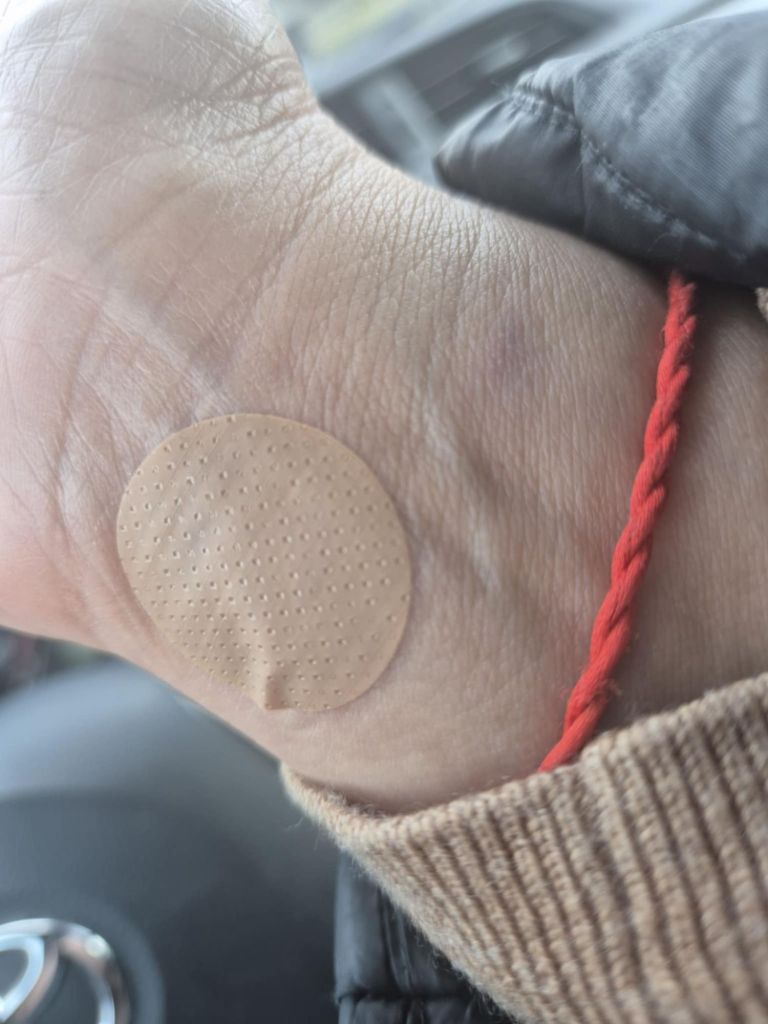
“In most cases, we suggest surgery for Grade 3,” he said. “But in your case, we’re opting for a steroid injection first. You still have full motor function. No muscle wasting, no loss of strength in your thumb. Honestly… we’re wondering what you’ve been doing to protect your hands. Most people at this stage have already lost their grip.”
I answered calmly: “I do strength training. I lift heavy with a coach.”
A Shield, Not a Cure
It is important to be clear: strength training didn’t “cure” my Carpal Tunnel. The sensory damage—the numbness that started last September—is real. It’s right there on the EMG. But what the iron has done is provide a biological shield.
Nineteen months ago, my coach Jonathan started me on a path of strict posture and heavy weights. Back then, it was about my knees—cartilage loss, edema, and cysts that made a simple squat feel impossible. Within a month, the pain was gone.
Now, that same commitment to strength is showing its value in my hands.
The Mystery of the Numbness
When the numbness started in my right hand last September, it didn’t fit the standard “profile” for Carpal Tunnel. My grip was strong. My hands were functional. In fact, I noticed something weird: the numbness actually felt better after I trained.
The EMG finally solved the mystery. While my sensory nerves were showing significant damage (the numbness), my motor nerves—the ones that control movement and power—were almost untouched.
The doctor’s advice was simple: “Continue what you are doing. It is slowing down the progression.”
The Critical Role of the Coach
I couldn’t have done this alone. When you are dealing with nerve damage or “nightmare” knees, you cannot afford to guess. You need a coach like Jonathan—someone who is “scary” about the details because he knows the stakes.
A great coach doesn’t just give you a workout; they provide the technical guardrails that allow you to lift heavy enough to stimulate growth without aggravating your condition. Jonathan’s insistence on perfect form is the reason I can squat with no cartilage and grip a barbell with Grade 3 Carpal Tunnel. He didn’t just teach me to lift; he taught me how to protect my longevity.
Conclusion
Strength training is a tool for preservation, but only if executed with precision. It may not always reverse the clock or erase a diagnosis, but it can significantly slow the descent. By keeping the muscles around my nerves strong and my body active, I have turned a “surgical emergency” into a “manageable situation.”
We lift not just to get better, but to stay capable. If you are facing a “downhill slope” with your health, don’t just wait for the bottom. Find a coach who demands excellence, and build the strength to slow the slide.
Disclaimer :
Not paid just a believer
http://www.eleavatecoaching.be
 jee426
Leave a comment